
Quick Summary
- Sudden aggression in dogs is almost always caused by something specific. It rarely appears out of nowhere.
- Fear and anxiety are the most common root causes, not dominance or stubbornness.
- Pain and medical issues should be ruled out first whenever aggression appears suddenly.
- Suppressing warning signs (like growling) without addressing the cause makes things worse over time.
- Early intervention produces better outcomes. The longer aggressive behavior is practiced, the harder it is to change.
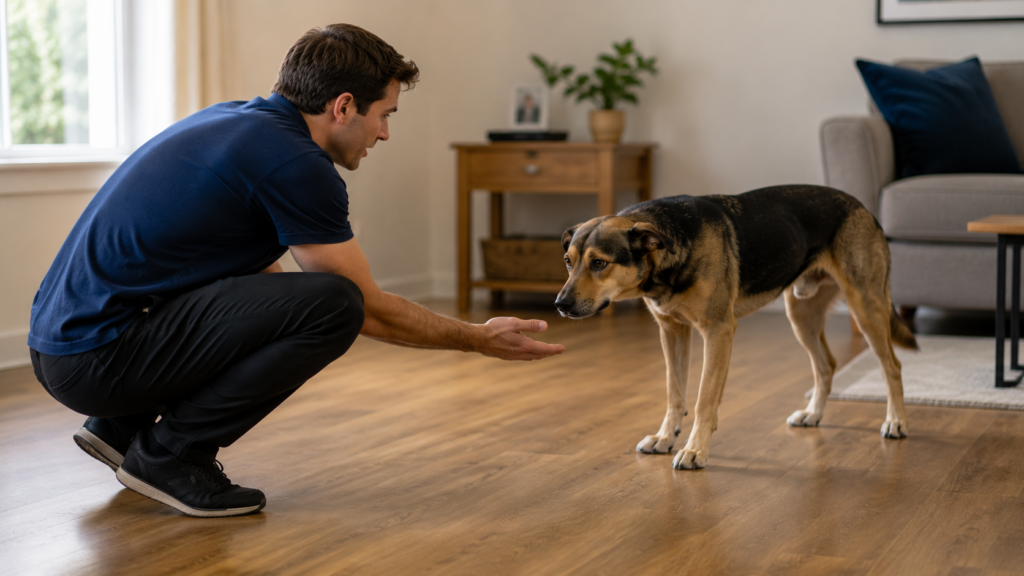
If your dog is suddenly acting aggressive, there is almost certainly a reason behind it. Aggression in dogs is rarely random. It is most often rooted in fear, a negative experience, pain, or a lack of structure and clear communication. Identifying the specific cause is the first step toward helping your dog feel safe, stable, and confident again.
What Does Aggression Actually Look Like?
Many owners don’t recognize the early warning signs of aggression, and that gap matters. By the time a dog is biting, the behavior has typically been building for a while.
Aggression rarely starts with teeth. Most dogs communicate long before they feel the need to bite, working through a progression of signals that trainers often call the “ladder of aggression.” According to a 2025 descriptive study on canine aggression prevalence (ScienceDirect), owners frequently dismiss lower-level signals, such as a growl or a stiffening of the body, as unimportant. That dismissal is one of the biggest mistakes we see.
Common warning signs include growling, snarling, intense barking, lunging, a stiff body posture, raised hackles, showing teeth, resource guarding, snapping without contact, and biting. Each of these is your dog’s way of communicating that something feels wrong.
The goal is never to suppress the warning signs. The goal is to understand why they are happening and address the root cause.
A growl is an important warning signal that tells you your dog is uncomfortable, fearful, stressed, or feeling threatened. Punishing the growl does not remove the emotion that caused it. It simply teaches the dog to stop communicating that discomfort, which can create a dog that bites without warning.
The 7 Most Common Causes of Sudden Aggression
Cause 1: Fear and Anxiety
This is far and away the most common cause of aggression we see. Many dogs that appear aggressive are actually scared.
Think about what fear-based aggression looks like from the dog’s perspective: they feel threatened, they growl or lunge, and the scary thing goes away. The mail carrier leaves. The stranger backs off. The other dog retreats. From the dog’s view, aggression worked. That’s why it tends to escalate over time when it isn’t addressed because the dog is being repeatedly reinforced for the behavior.
According to Today’s Veterinary Practice, high levels of fear and stress are among the most common underlying drivers of aggressive behavior in dogs, and treatment plans that fail to address that emotional state tend to produce limited results.
A dog that is acting aggressively because it is afraid needs confidence and a sense of safety. Simply correcting the behavior without addressing the fear often produces limited results.
This does not mean you should reinforce the behavior by cuddling, petting, or sweet-talking the dog when it is anxious or reactive. It also does not mean you should ignore the behavior. How you respond in these situations is extremely important. Handling them incorrectly can unintentionally make the problem worse. We will cover exactly how to handle these situations in later sections.
Signs of fear-based aggression include retreating before reacting, hiding behind owners, barking from a distance, reacting more intensely when cornered, a tucked tail, excessive panting, and trembling. If you notice these patterns, the dog’s fear is the issue, not its attitude.
Cause 2: Poor Socialization
Socialization is one of the most misunderstood concepts in dog training. Many people believe it means letting their puppy meet every dog and person they encounter. That approach often creates the very problems it’s meant to prevent.
Proper socialization means teaching a dog to be calm, neutral, and confident around the world, not excited about or reactive to everything in it. A dog doesn’t need to greet every dog at the park. It needs to learn that other dogs are simply part of the environment.
When puppies are repeatedly placed in overwhelming situations, anxiety and reactivity often develop, typically becoming apparent during adolescence, somewhere between 4 and 14 months. Owners frequently tell us: “My puppy loved everyone until one day he didn’t.” What usually changed wasn’t a single event. The dog’s natural instincts began developing, and gaps in the early foundation became visible.
Good puppy training builds neutral confidence, not social overexcitement. The difference matters more than most people realize.
Cause 3: A Single Negative Experience
Sometimes it only takes one bad moment. A dog that has always been friendly can become reactive after being attacked by another dog, cornered by children, startled by a stranger, or overwhelmed repeatedly in a short period of time.
Dogs learn through associations. A dog attacked at a dog park may begin reacting to all dogs. A dog frightened by a man in a hat may become suspicious of all men in hats. These associations can form quickly and become surprisingly durable, especially if the dog has the opportunity to rehearse the reactive behavior multiple times afterward.
The sooner a fear-based association is addressed, the better the outcome tends to be. Waiting rarely helps. The association often deepens with each rehearsal.
Cause 4: Lack of Structure and Clear Leadership
Dogs thrive when life is predictable. When rules shift constantly, expectations are unclear, or owners are inconsistent, many dogs become anxious, and anxiety frequently shows up as behavioral problems, including aggression.
Leadership in this context has nothing to do with dominance or being harsh. It means providing clear, consistent expectations and following through. If jumping on guests is not allowed, it should never be allowed. If recall matters, it should always be reinforced. Dogs relax when they understand the rules. They become more confident when they know someone reliable is in charge of the difficult decisions.
In our experience training thousands of dogs over the last two decades, many dogs become significantly calmer within days of introducing real structure into their lives. It’s one of the more consistent things we see.
If structure and obedience feel like areas to work on, our adult dog training program is built around exactly this.
Cause 5: Resource Guarding
Resource guarding happens when a dog feels the need to protect something valuable, such as food, toys, bones, furniture, or even a specific person. Common signs include growling when approached, freezing over an item, showing teeth, snapping, and lunging.
From the dog’s perspective, it is protecting something important. The behavior makes sense internally, even when it’s dangerous externally. Resource guarding ranges from mild to severe, and it should not be ignored.
Left unaddressed, resource guarding often becomes more intense over time as the dog learns that aggressive behavior successfully keeps people away from the resource.
If a dog is showing serious resource guarding, particularly around children, professional guidance is strongly recommended rather than a wait-and-see approach. The earlier it’s addressed, the easier it tends to be to work through.
Cause 6: Pain or an Underlying Medical Issue
Whenever aggression appears suddenly with no obvious trigger, a veterinary evaluation should be one of the first steps before assuming the problem is behavioral.
According to the American Veterinary Society of Animal Behavior (AVSAB), dogs with undetected pain conditions, including cases where the dog wasn’t visibly limping or favoring a limb, showed significantly higher rates of aggression when approached while resting. Pain doesn’t have to be obvious to affect behavior.
Common medical contributors include arthritis, dental disease, hip dysplasia, infections, declining vision or hearing, and cognitive dysfunction in older dogs. As noted by veterinary specialists at DVM360, behavior doesn’t just change overnight without cause. Sudden shifts in temperament with no obvious explanation point strongly toward medical investigation first.
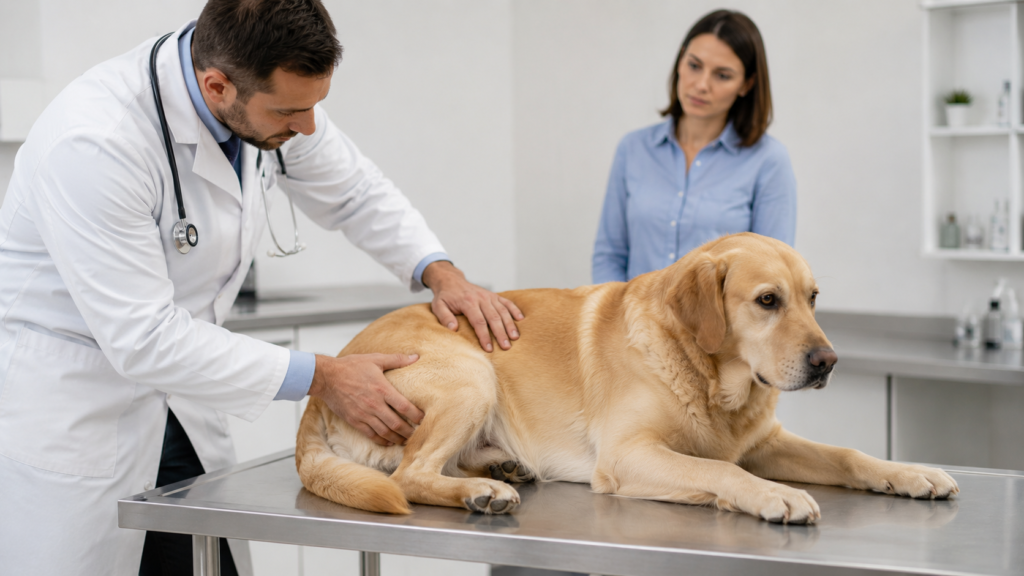
Resolving the underlying physical issue sometimes dramatically improves the aggression. Training alone can’t fix a dog that is hurting.
Cause 7: Genetics and Breed Tendencies
Genetics matter. Every breed was developed for a specific purpose, including herding, guarding, hunting, protection, tracking, and retrieving. Those instincts do not disappear simply because a dog now lives in a suburban neighborhood.
A 2025 systematic review on genetic influences on canine aggressiveness (Animals journal) found that aggressiveness involves multiple genes related to neurotransmission and hormone signaling, not a single switch that can be turned off. Some dogs simply have stronger drives, greater vigilance, or higher environmental sensitivity built in.
This does not make certain breeds dangerous by default. It means understanding your dog’s genetics helps set realistic expectations and allows you to channel natural instincts productively. The goal is not to fight your dog’s nature. The goal is to work with it.
Common Mistakes Owners Make (That Often Make It Worse)
When aggression appears, well-meaning owners often unintentionally reinforce the problem. Here are the patterns we see most often.
| Mistake | Why It Backfires | What to Do Instead |
|---|---|---|
| Comforting a fearful dog during a reaction | Many dogs interpret petting and reassurance as reinforcement for the anxious behavior | Stay calm and neutral; redirect attention to an obedience cue when the dog is below threshold |
| Forcing the dog into uncomfortable situations to “get over it” | Flooding a dog with what it fears usually intensifies the fear response | Build confidence through structured exposure at a pace the dog can handle |
| Punishing growling or other warning signs | Removes the warning without removing the discomfort. This often leads to biting with no signal. | Address why the dog feels the need to warn rather than suppressing the warning itself |
| Waiting to see if it improves on its own | Aggressive behavior becomes a habit through repetition; it rarely resolves without intervention | Seek professional assessment early. Outcomes are consistently better with earlier intervention. |
| Inconsistent rules and enforcement | Mixed messages create confusion; confused dogs become stressed dogs | Establish clear, consistent expectations the dog can rely on |
The inconsistency point is worth staying on for a moment. According to research on behavior modification programs for canine aggression (ScienceDirect), treatment outcomes are meaningfully better when owners are actively involved in implementing consistent structure at home. The training environment matters, but what happens between sessions matters just as much.
What You Can Do Right Now
If your dog is showing signs of aggression, here are practical steps to take while you work toward a longer-term solution.
Prevent rehearsal. Every time a dog practices aggressive behavior, the habit strengthens. Managing the environment to reduce opportunities for the behavior to occur is not a fix, but it limits damage while you work on the underlying issue. Keep your dog out of situations where reactions are likely until you have a plan in place.
Interrupt the behavior and create distance. If your dog is growling, barking, lunging, snapping, or showing other signs of aggression, don’t allow the behavior to continue. Calmly interrupt the behavior and remove your dog from the situation or create more distance from whatever is causing the reaction. The goal is not to punish the warning signs, but to prevent the behavior from escalating while you work to understand and address the underlying cause.
Rule out medical causes. Before investing heavily in behavioral training, schedule a veterinary examination, especially if the aggression appeared suddenly. PetLab Co. veterinary contributors note that pain is one of the most frequently reported reasons for sudden aggression, and treating the medical issue often changes the behavioral picture significantly.
Focus on obedience and engagement. Teaching your dog to focus on you creates the foundation for everything else. Reliable obedience improves communication, builds confidence, and gives the dog something useful to do when they feel uncertain. A dog that has a clear job, such as looking at you, sitting, or heeling, is less likely to rehearse anxiety-driven reactions.
Build confidence systematically. Many aggressive dogs benefit enormously from confidence-building work: structured training, new environments, controlled positive exposures, and clear leadership. Confidence is built through small successes, not through being forced through frightening situations.
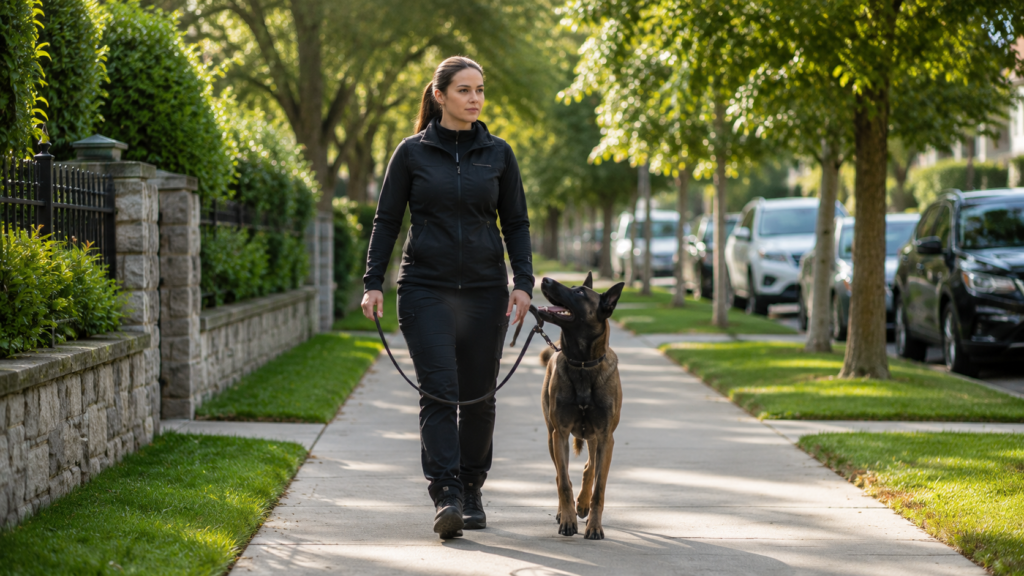
Get professional help early. If your dog is growling, snapping, biting, or showing serious aggression, professional guidance will accelerate progress and improve safety for everyone involved. In 2024, over 22,000 dog-related injury claims were filed in the United States, a 19% increase from the prior year. Addressing aggression early is better for your dog and better for the people around them.
If you’re in Utah and looking for experienced help, our free consultation is a good starting point. We work with reactive and aggressive dogs regularly, and we’re happy to talk through what you’re seeing before you commit to anything.
Can Aggressive Dogs Improve?
Yes, and many of the dogs we’ve worked with over the years are proof of that. We’ve trained thousands of dogs, including many that owners believed were beyond help.
The key is understanding that aggression is usually a symptom, not the actual problem. When you identify the cause and address it systematically, building confidence, establishing structure, improving communication, and resolving any medical contributors, real change becomes possible.
Not every dog will become a social butterfly. That isn’t the goal. The goal is a dog that is stable, confident, and safe, a dog that fits into your life instead of controlling it.
Prognosis does depend on the severity of the behavior, the dog’s history, and how quickly intervention begins. As the American College of Veterinary Behaviorists notes, complete resolution is not always achievable, but meaningful improvement that restores quality of life for both dog and owner is realistic in the majority of cases when addressed properly.
We take a board and train approach that puts dogs in a real home environment, not a large kennel facility, with only 2 dogs per trainer at a time. That focused structure, combined with real-world exposure throughout the day, produces the kind of consistent results that transfer into everyday life when the dog goes home. You can read what clients have experienced on our testimonials page.
Frequently Asked Questions
Why is my dog suddenly aggressive toward me?
Sudden aggression toward a familiar person is most commonly triggered by pain, fear, or a recent negative experience. A dog that snaps when touched in a specific area is often communicating physical discomfort. A veterinary examination is a smart first step any time a dog’s behavior changes abruptly with no clear cause.
Can a dog become aggressive out of nowhere?
It can feel that way, but there is almost always a reason behind it. Dogs communicate discomfort through body language long before escalating to a bite, and the signals are often missed or dismissed. What looks like sudden aggression is typically the visible peak of a pattern that has been building beneath the surface.
Is my dog aggressive because I did something wrong?
Not necessarily. Aggression has many possible causes, including genetics, medical conditions, past experiences, socialization gaps, and environmental factors all play a role. Understanding why your specific dog is reacting matters more than assigning blame. Working with an experienced trainer helps identify the root cause and create a realistic plan.
Should I punish my dog for growling?
No. Growling is a warning signal. It’s your dog’s way of communicating discomfort, fear, stress, or uncertainty before resorting to more serious behavior. Punishing the growl does not remove the emotion that caused it. It simply teaches the dog to stop communicating that discomfort, which can create a dog that bites without warning.
That does not mean the growl should be ignored or allowed to continue. If your dog is growling, calmly interrupt the behavior and remove the dog from the situation or create more distance from whatever is causing the reaction. The underlying cause of the growl is what needs to be understood and addressed.
How long does it take to fix dog aggression?
It depends on the severity of the behavior, the root cause, and how consistently the training plan is followed. Fear-based reactivity often responds well to structured confidence-building over a period of weeks. More serious aggression, especially with a longer history, may require more time and ongoing management. The earlier intervention begins, the better the outcomes tend to be.
Is a board and train program effective for aggressive dogs?
It can be highly effective when the program is designed with individual attention, real-world exposure, and a structured handoff back to the owner. Our program keeps dogs in a real home environment with only 2 dogs per trainer at a time, which reduces stress and allows for the kind of focused, consistent work that aggressive and reactive dogs need. The owner training component at the end is critical because lasting results require the owner to maintain what the dog has learned.
My dog is only aggressive on the leash. Is that different?
Leash reactivity is extremely common and is usually rooted in either frustration (wanting to reach something) or fear (feeling trapped and unable to escape). The leash limits the dog’s options, which can make a dog that would otherwise ignore a trigger react strongly instead. It is very workable with the right approach. Our adult training program addresses leash reactivity as part of the off-leash obedience foundation.
Ready to Transform Your Dog?
If your dog is struggling with aggression, reactivity, or behavioral challenges, you don’t have to navigate it alone. Schedule a free consultation and we’ll help you understand what’s driving the behavior and find the right program for your dog’s needs. Most dogs are fully trained in just one week.
Free Consultation